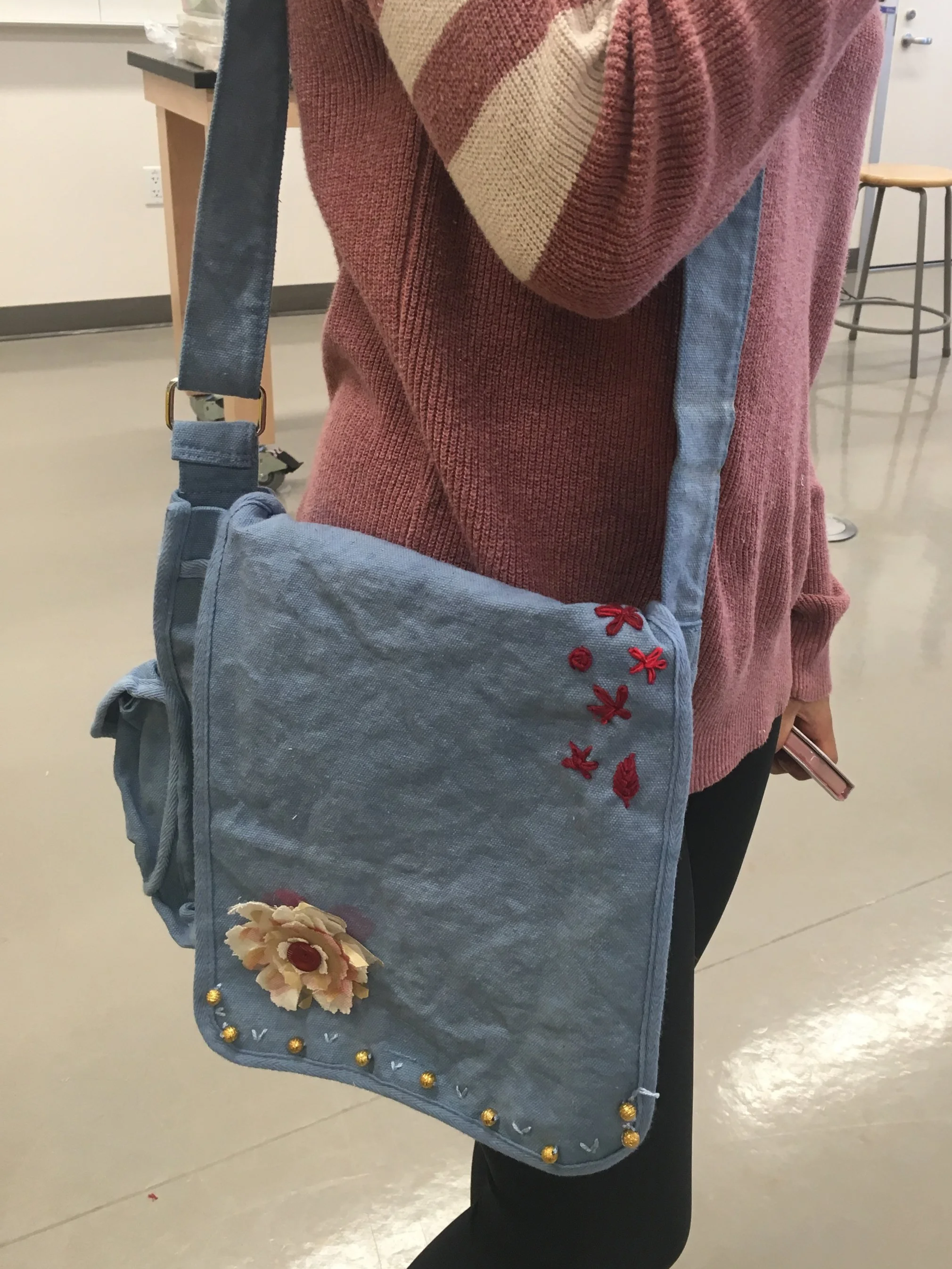
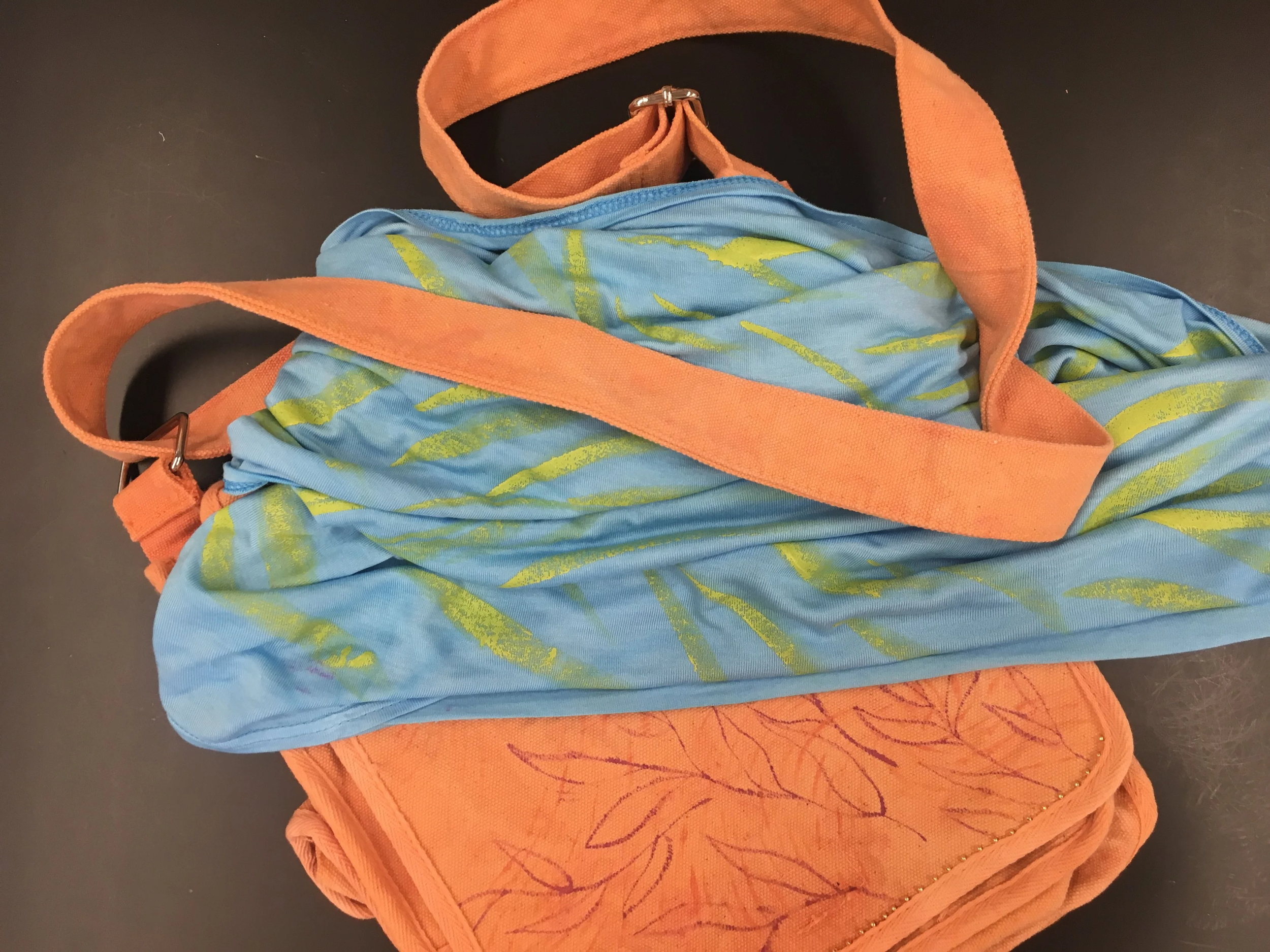
Fashion Design Studio
From sketchbook to sewing machine to runway-ready.
DesignX is where ideas turn into wearable favorites. From the moment students touch fabric and thread a needle, they step into the world of real fashion design—experimenting, sewing, and bringing their own style to life. Along the way, they learn how designers think, plan, and create through hands-on making.
Our studio meets students where they are. Beginners are welcomed with guidance and encouragement, while more experienced designers take on increasingly sophisticated projects that build independence, craftsmanship, and creative confidence. Students choose materials, work with patterns, and use real tools and machines—ending with thoughtfully made pieces that they’re proud to wear, share, and show off at a fun fashion show.
Fashion Design I
Grades 2-3
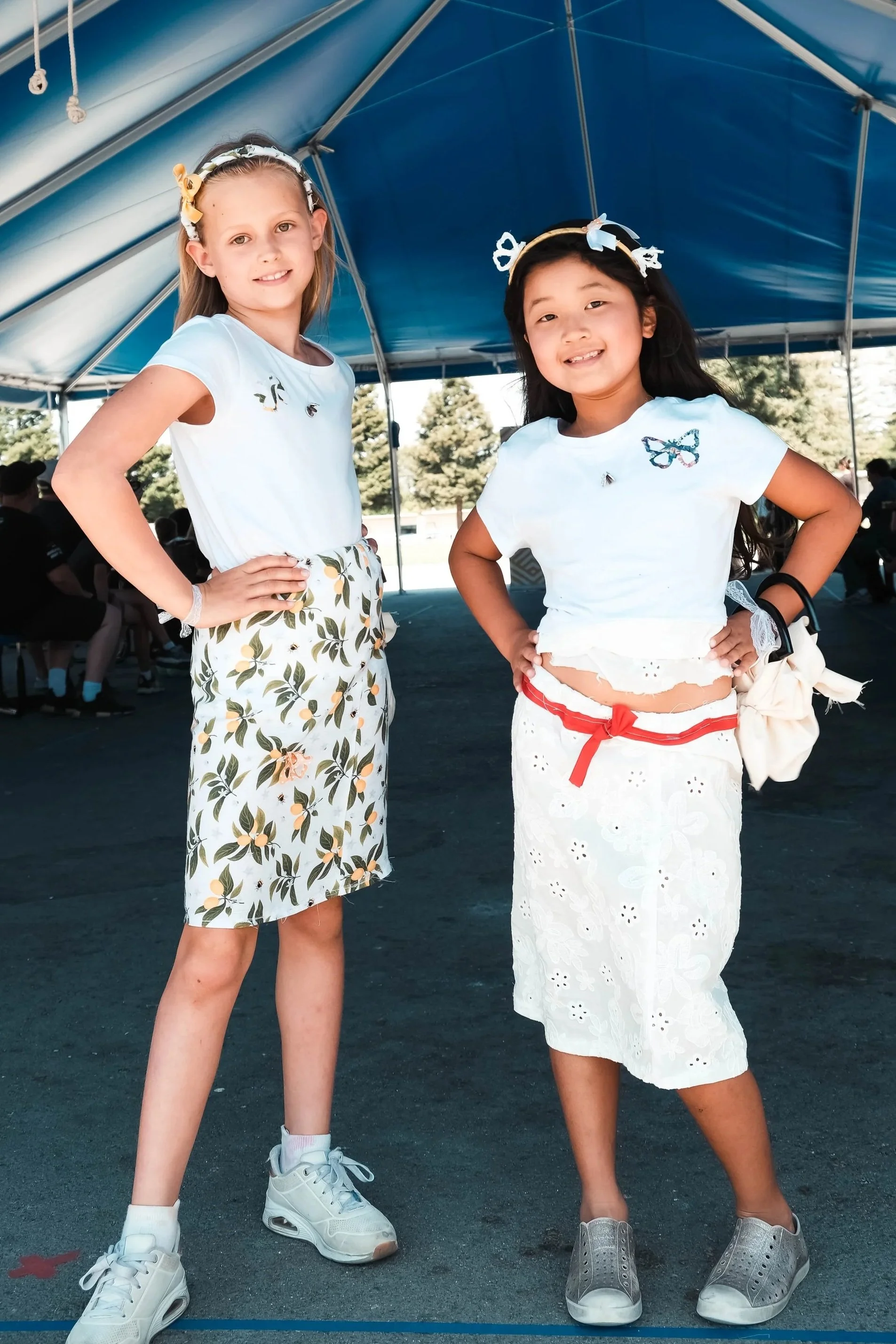
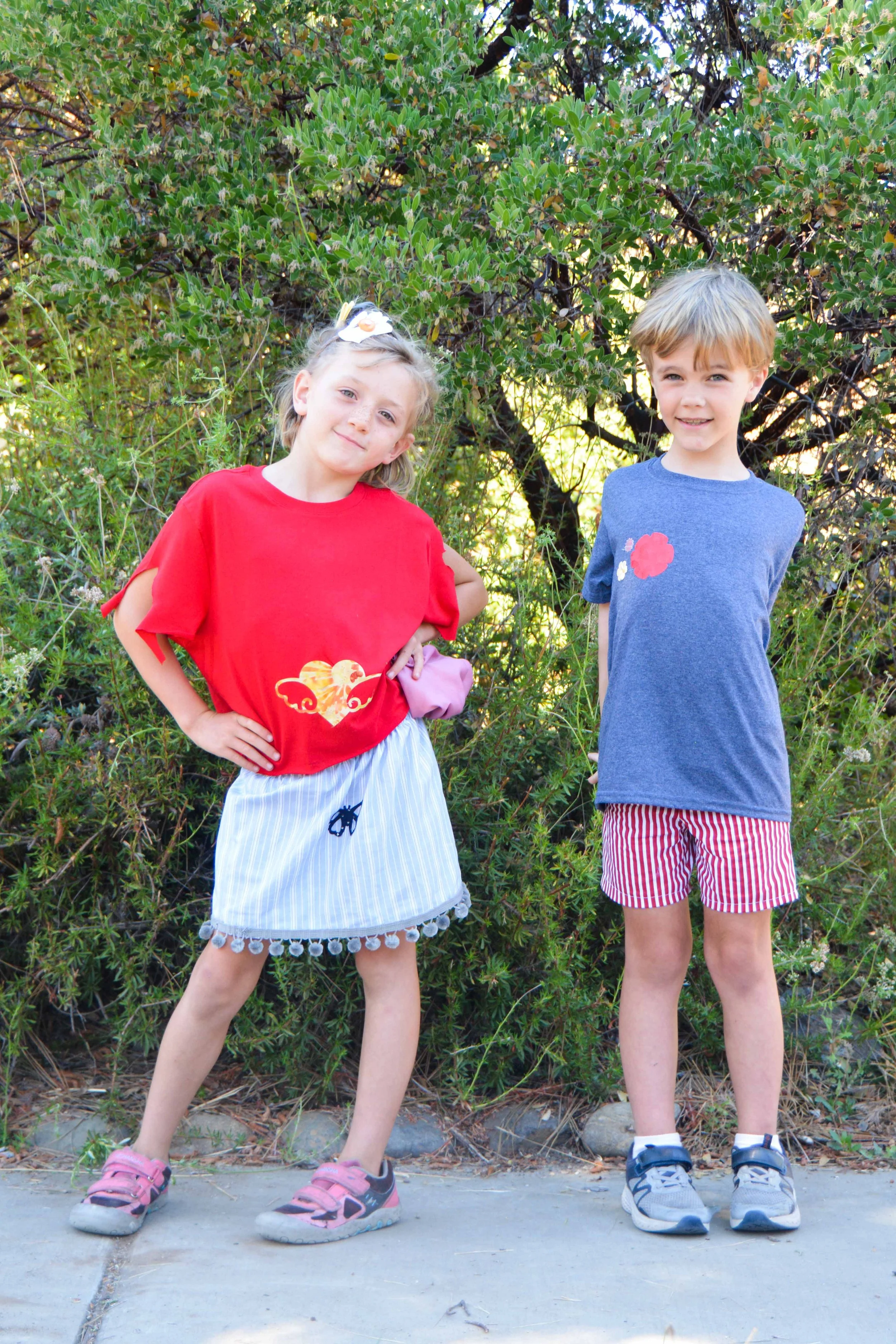
In this week-long studio designed for our youngest designers, students explore the full creative journey of fashion—from idea to finished garment. Working with a simple bottom (skirt or shorts), students learn how clothing is imagined, designed, and made, with an emphasis on creativity, self-expression, and joyful making.
Paired with fashion upcycling, students also design coordinated separates and accessories using reclaimed materials, learning how thoughtful design can transform everyday or discarded materials into something meaningful and expressive.
-
Creative voice & self-expression
Develop a personal design perspective by reflecting on individual interests, preferences, and ideas.Foundations of fashion & design thinking
Learn basic fashion history, the life cycle of a garment, and core art concepts as they apply to apparel design.Global awareness through clothing
Explore clothing styles from around the world and how weather, culture, tradition, and daily life shape what people wear.Hands-on making skills
Practice age-appropriate techniques in sketching, measuring, hand sewing, introductory machine sewing, and embellishment.Confidence & presentation
Build confidence by presenting finished designs in a playful fashion show—celebrating creativity, process, and pride in making.
Fashion Design II
Grades 4-5
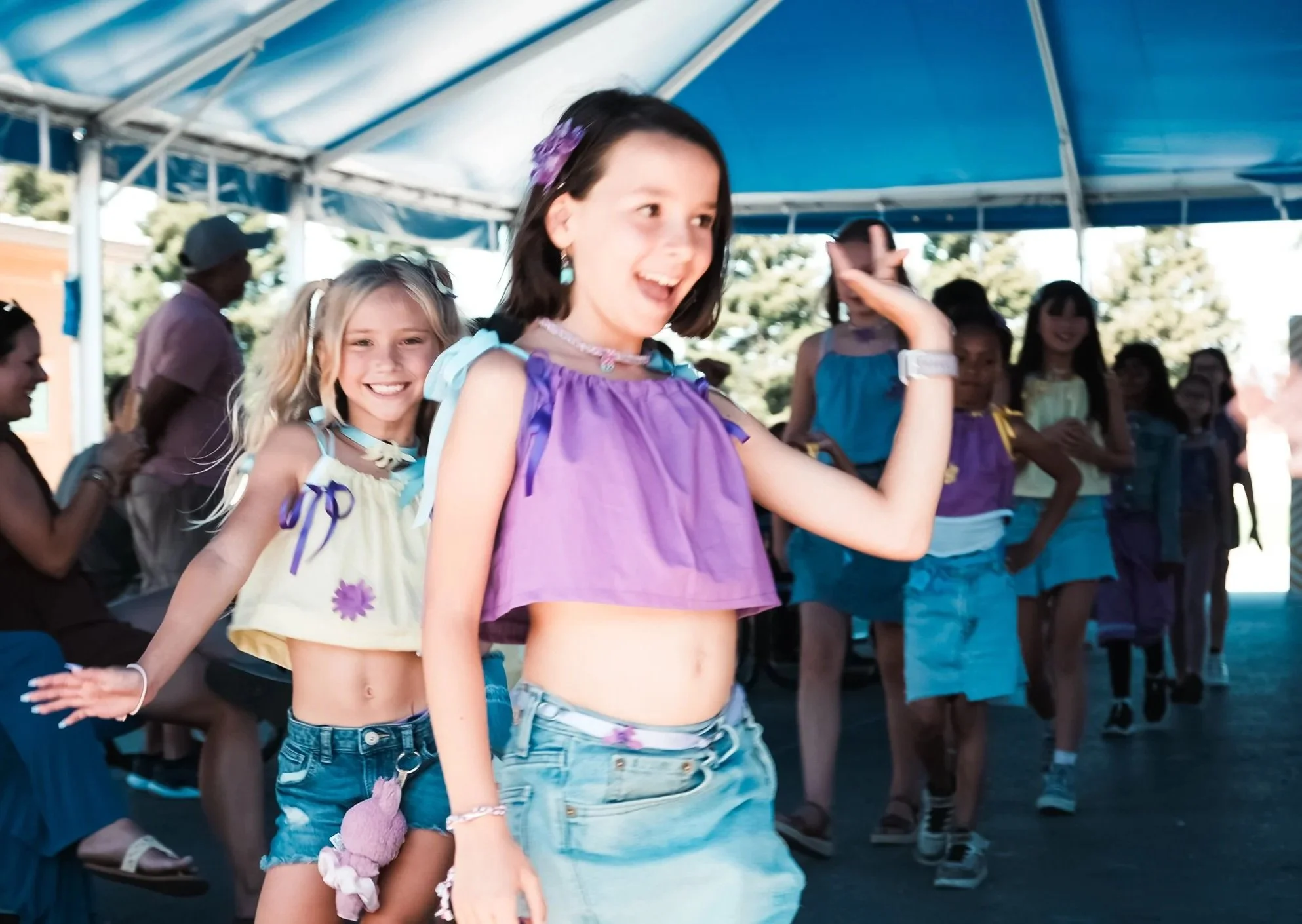
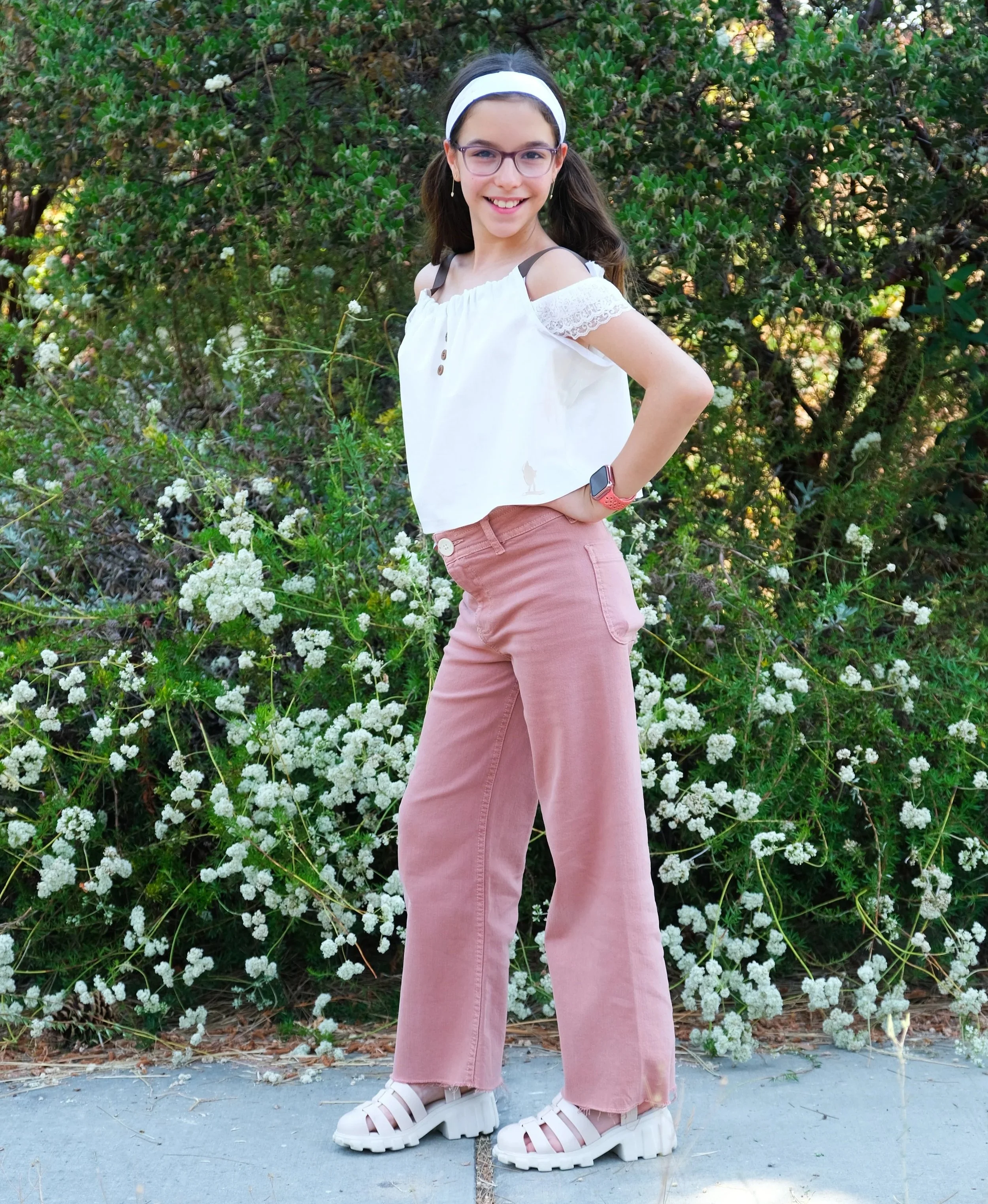
Fashion Design II builds on foundational skills while introducing greater complexity, independence, and creative challenge. Students design and construct a more advanced garment—a top—taking it from concept through completion in a supportive environment.
As students gain confidence, they work with more advanced sewing techniques such as curves and darts, and take on creative design challenges inspired by real-world fashion studios. Instruction is tailored to each student’s experience level, supporting both beginners and returning designers as they grow more independent on the sewing machines. No prior sewing experience is required.
-
Refining creative voice
Build on the foundation established in Fashion Design I by further developing a personal design perspective informed by evolving interests, needs, and ideas.
Fashion history & design context
Explore key moments in fashion history and how major cultural and historical events have influenced clothing, silhouettes, and materials.
Global fashion exploration
Study clothing and costumes from around the world, deepening understanding of how culture, tradition, and environment shape design.
Advanced construction skills
Strengthen technical skills through more complex garment construction, reinforcing prior learning while gaining confidence and independence on sewing machines.
Confidence, expression & presentation
Continue developing confidence through experimentation, movement, and presentation—culminating in a fashion show that celebrates both process and final design.
Fashion Design III
Grades 6-9
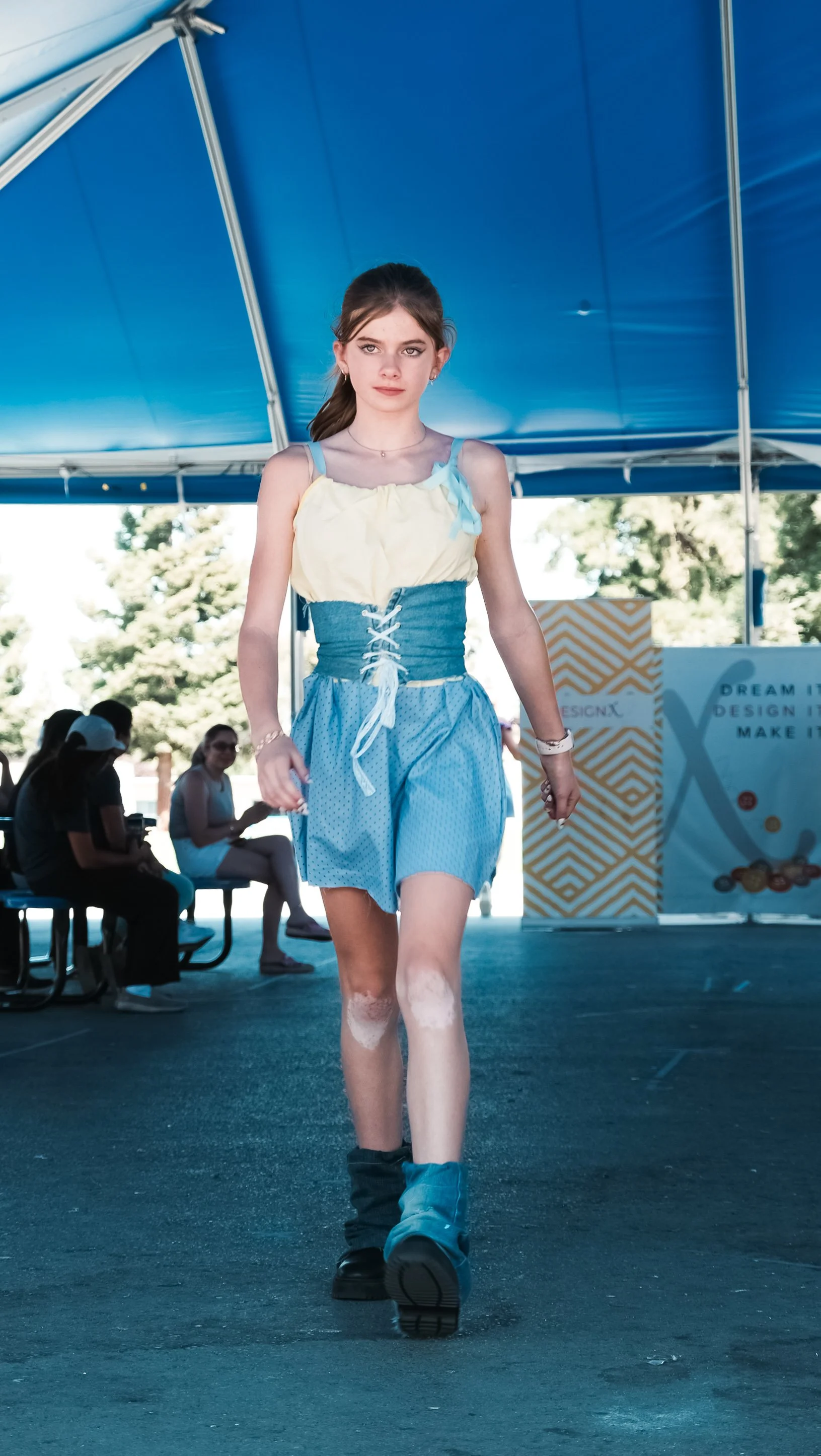
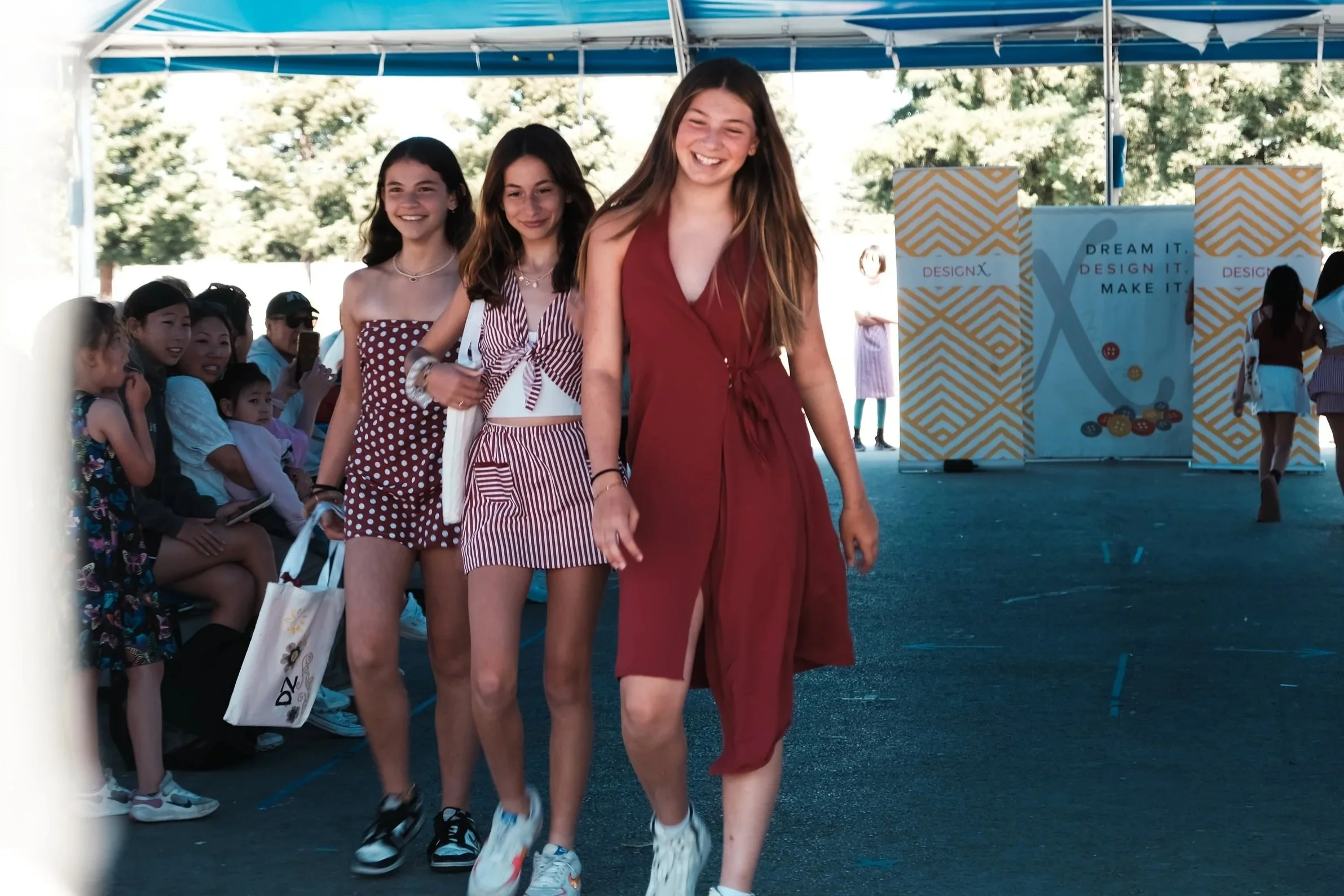
Fashion Design III is designed for older students who are ready to deepen both their creative and technical practice. In this studio, students take on the challenge of designing and constructing a full garment—such as a dress, romper, or, for more ambitious designers, a jumpsuit.
With increased independence and responsibility, students play a greater role in shaping their process and outcomes. Instruction and supervision are responsive to individual skill levels, supporting both first-time sewists and returning designers as they refine technique, decision-making, and craftsmanship. Prior sewing experience is welcome but not required.
-
Evolving creative voice
Further refine a personal design perspective as students explore shifting interests, identity, and self-expression through clothing.
Fashion history & design influence
Examine key moments in fashion history shaped by major cultural and historical events, and connect art and design principles to apparel.
Designers & global fashion
Study the work of influential fashion designers while exploring clothing and costume traditions from around the world, considering the impact of climate, culture, and social norms.
Advanced making & independence
Build confidence and fluency on the sewing machines through more complex construction, reinforcing prior skills while working with greater autonomy.
Confidence, presentation & expression
Continue developing confidence through movement and presentation, culminating in a fashion show where students share and celebrate their finished designs.
Fashion Prototyping
Various levels
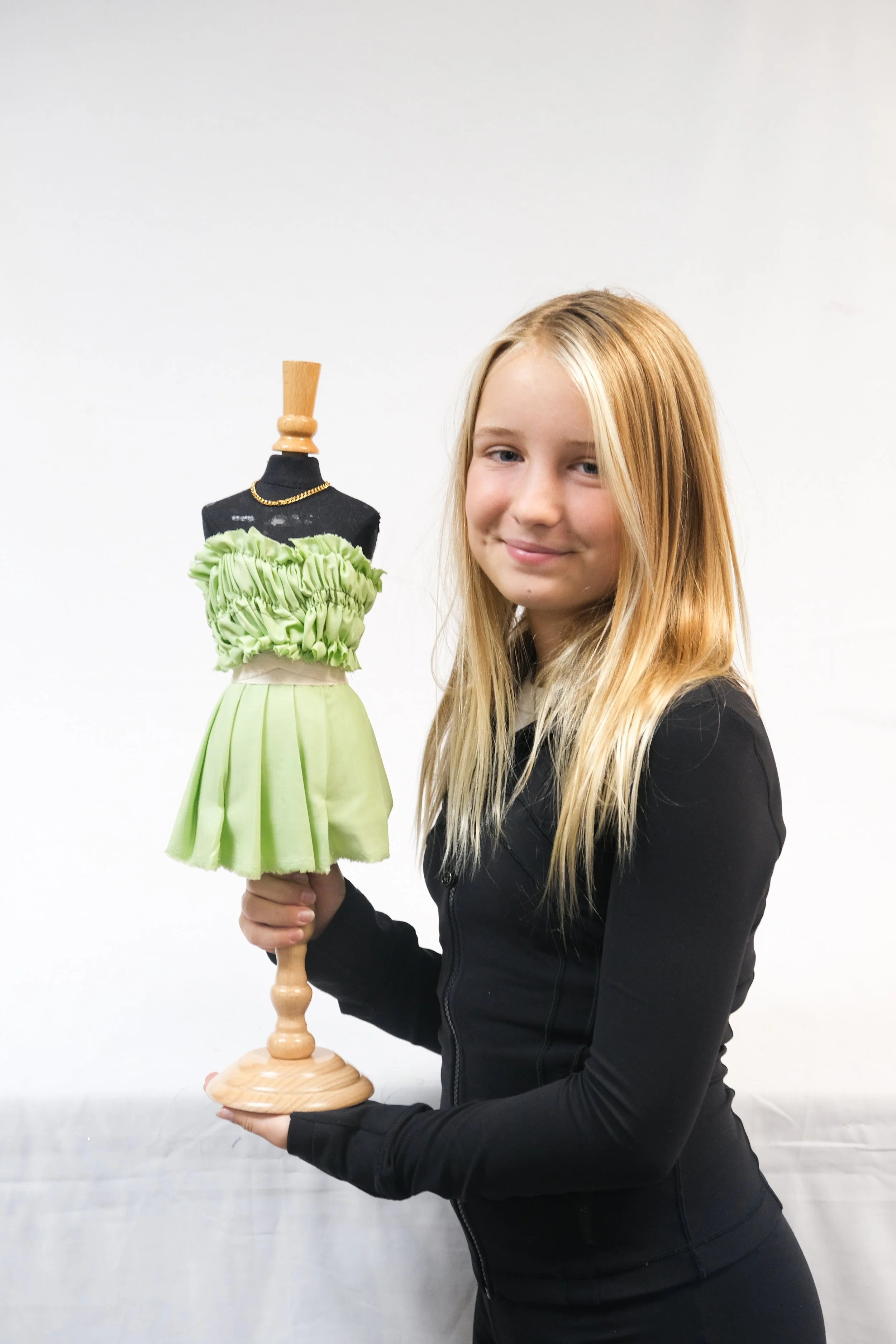
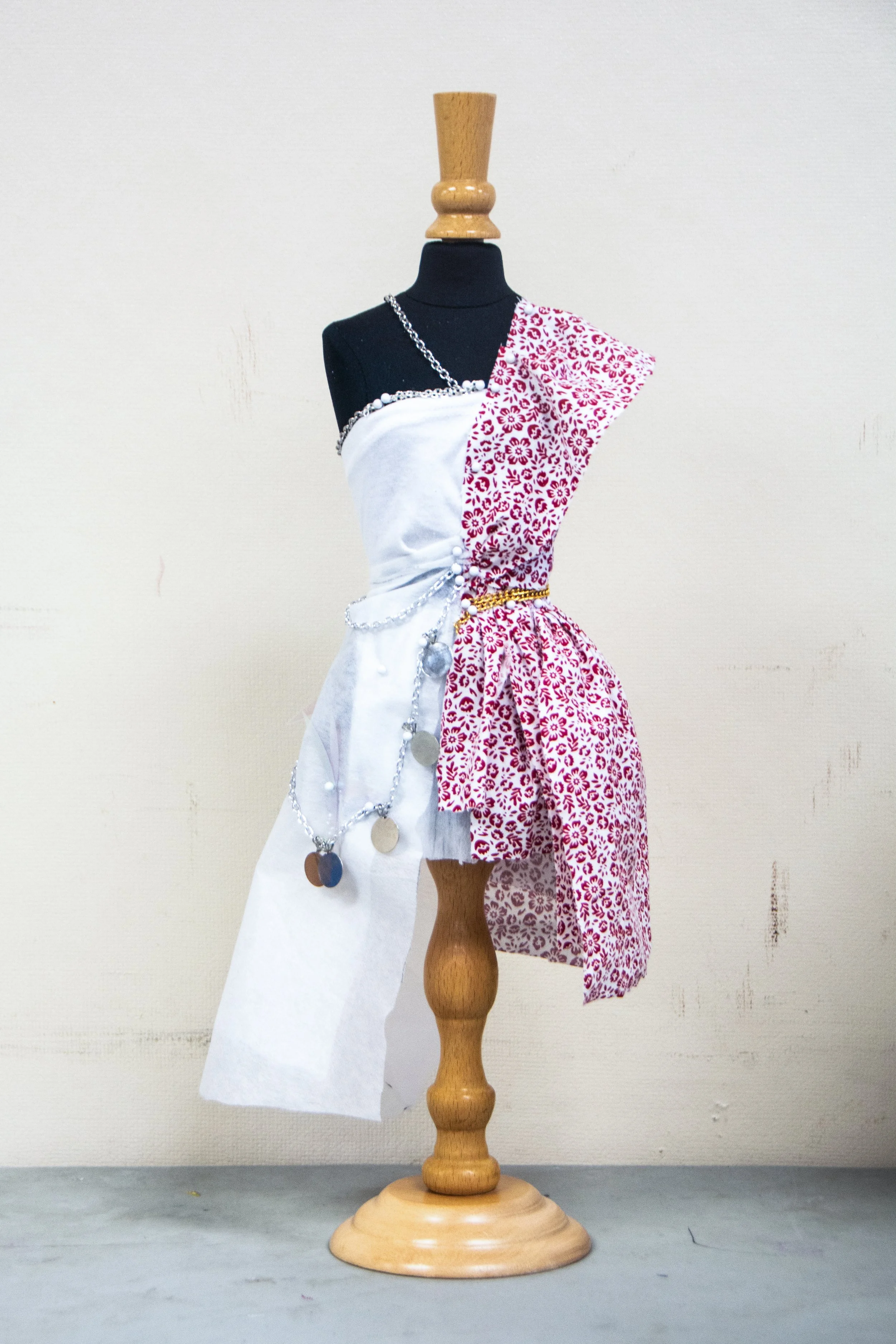
Fashion Prototyping is a one-of-a-kind studio that introduces students to the practice of turning ideas into physical form. Working from their own fashion illustrations, students create scaled, fully functional prototypes—learning firsthand how a design evolves from a 2D sketch into a 3D object.
This studio emphasizes creative problem-solving and iteration, guiding students through the challenges of translating concept, proportion, and intent into wearable form. Along the way, students develop a deeper understanding of how design decisions impact structure, function, and usability.
-
Spatial & dimensional thinking
Strengthen spatial reasoning by converting 2D designs into three-dimensional prototypes.
Materials & making
Explore the properties of different materials and how they behave in construction, structure, and surface treatment.
Function in design
Develop an appreciation for function alongside aesthetics—learning how form, material, and construction choices affect how a design works in the real world.
Fashion Illustration
Various levels
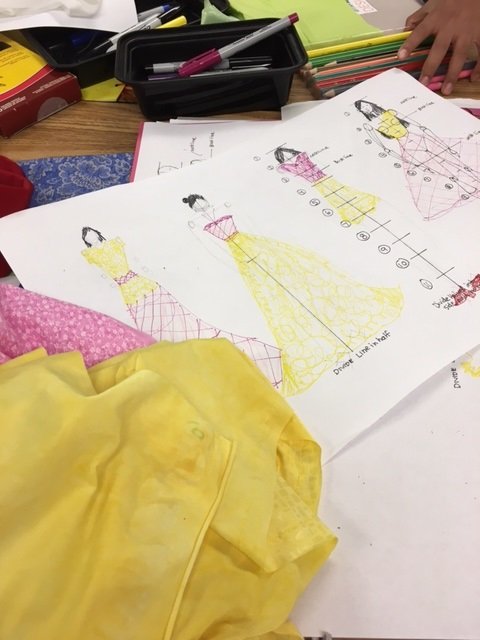
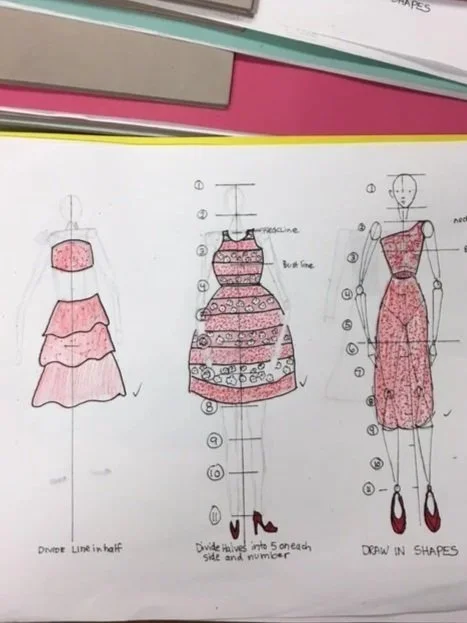
Designed for students who love to draw, sketch, and visualize ideas, this studio offers focused instruction in fashion illustration and expressive drawing. Students develop the skills needed to translate creative ideas into clear visual language—an essential tool in fashion and design.
Through guided lessons, students study the proportions of the fashion figure, explore a range of drawing media and illustration styles, and learn how to represent garment details, textures, and movement on paper.
-
Visual communication
Learn to express ideas and design concepts clearly through drawing—building visual literacy as a powerful form of communication.
Fashion figure & illustration techniques
Understand fashion proportions, pose, and stylization, and explore multiple media and techniques used in professional fashion illustration.
Observation & inspiration
Strengthen observation skills by studying garments, materials, and the surrounding environment as sources of design inspiration.
Portfolio development
Create a keepsake portfolio of original fashion illustrations, leaving the studio equipped with both tangible work and foundational skills to continue visualizing and communicating fashion ideas on paper.
Accessory Design
Various levels
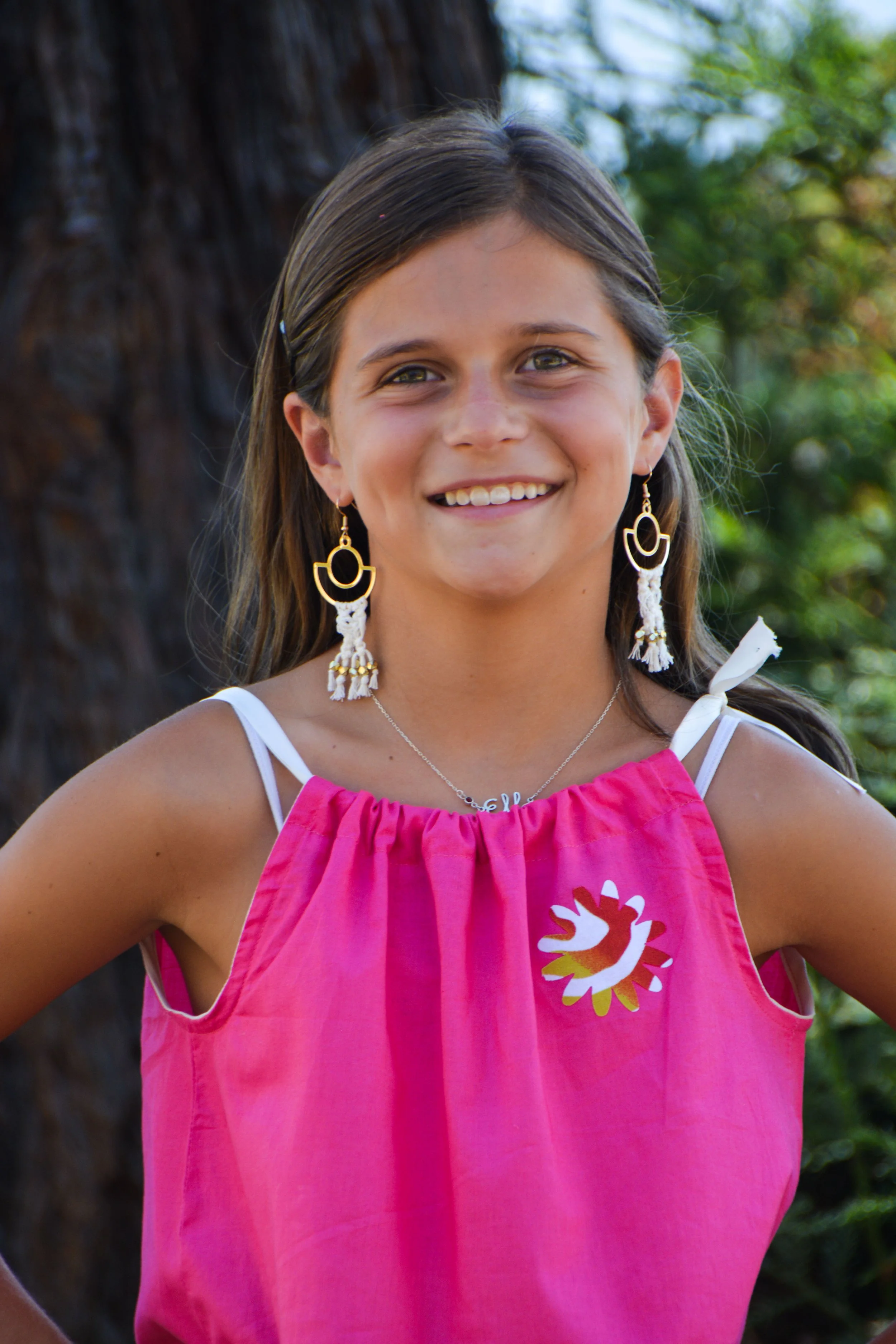
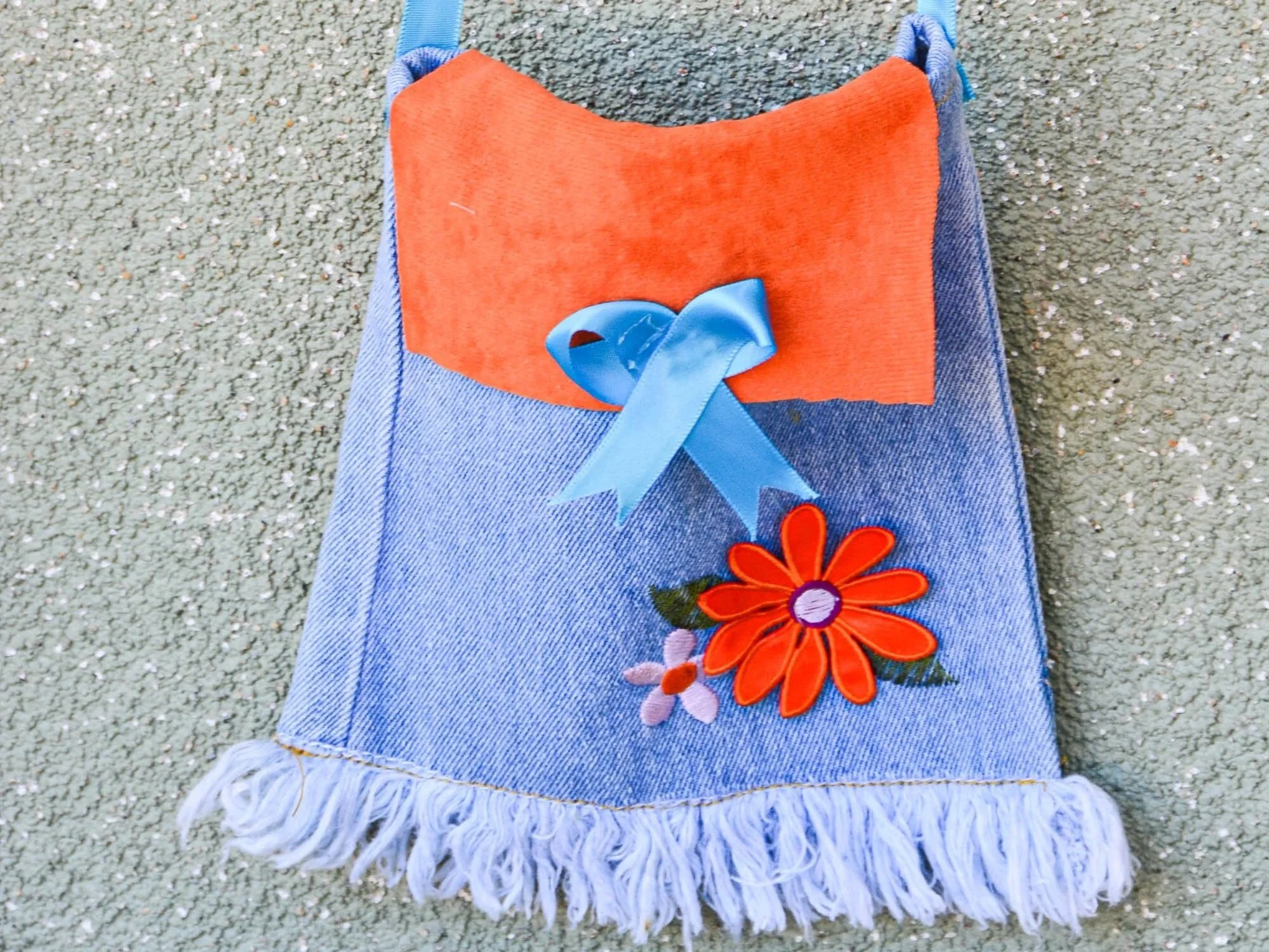
Accessories transform an outfit—and in this studio, students learn how to design and make their own. Accessory Design introduces students to the process of creating a functional, thoughtfully designed accessory, from concept through construction.
Designed as a complement to higher-level Fashion Design studios, this program challenges students to design a more complex accessory while learning pattern-making and construction techniques specific to accessories. Along the way, students are introduced to core principles of product development and sustainability, using resourceful approaches and materials commonly found in their everyday environment.
-
Accessory-focused design process
Learn how to design and construct a complete accessory, considering form, function, and aesthetics.
Pattern making & construction
Develop skills in creating patterns and assembling products using more advanced accessory-making techniques.
Product development fundamentals
Gain insight into how products move from idea to finished object, with attention to usability and durability.
Sustainability & resourcefulness
Explore sustainable design practices by creatively repurposing accessible, everyday materials.
Textile Design
Various levels
Textile Design is a hands-on studio that invites students to explore how fabrics are imagined, created, and transformed. Students begin by stepping back to study the origins of textiles from around the world—examining their history, cultural context, and evolution within fashion and design.
Through guided experimentation, students alter fabric surfaces using a range of textile techniques, including printing, dyeing, and painting. Working with sustainability in mind, they use locally available and low-impact dyes while exploring principles of repetition, pattern, scale, and geometry. These original textiles are then applied to simple fashion and home accessories such as scarves, napkins, and pillow covers.
-
Textile history & global traditions
Develop an appreciation for textile art forms from diverse cultures, understanding their materials, techniques, and cultural significance.
Surface design & pattern making
Create original motifs and patterns while exploring repetition, scale, geometry, and composition.
Sustainable making
Learn environmentally mindful approaches to textile design through the use of local, low-impact materials and dyes.
From material to product
Apply finished textiles to functional objects, gaining experience in transforming surface design into usable forms.