Toy Design Studio
Toy Design is where imagination becomes physical — where students explore storytelling, materiality, function, and the joy of making objects that spark play or comfort.
Toy Design I – Soft Toys
Grades 2-5
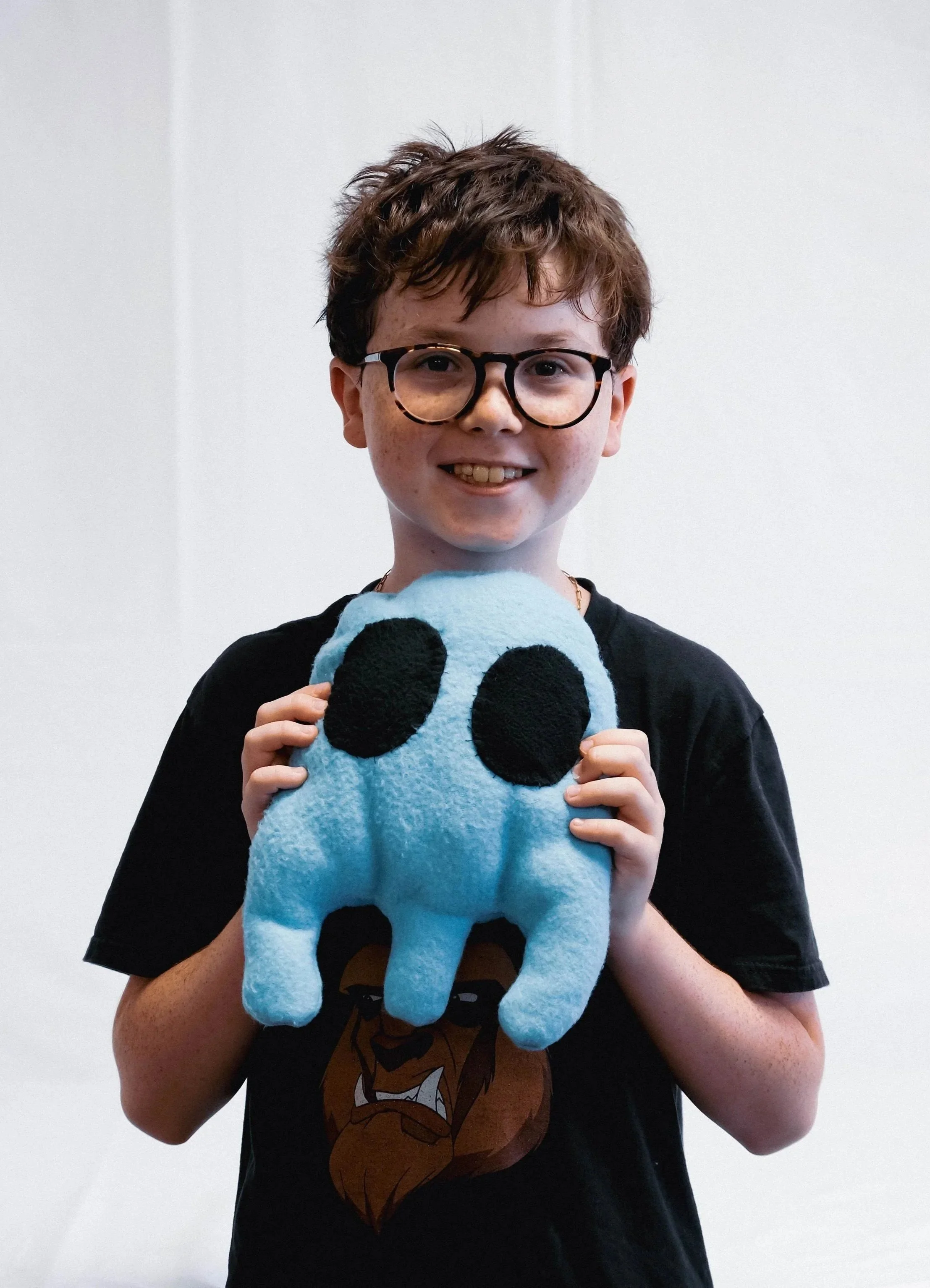
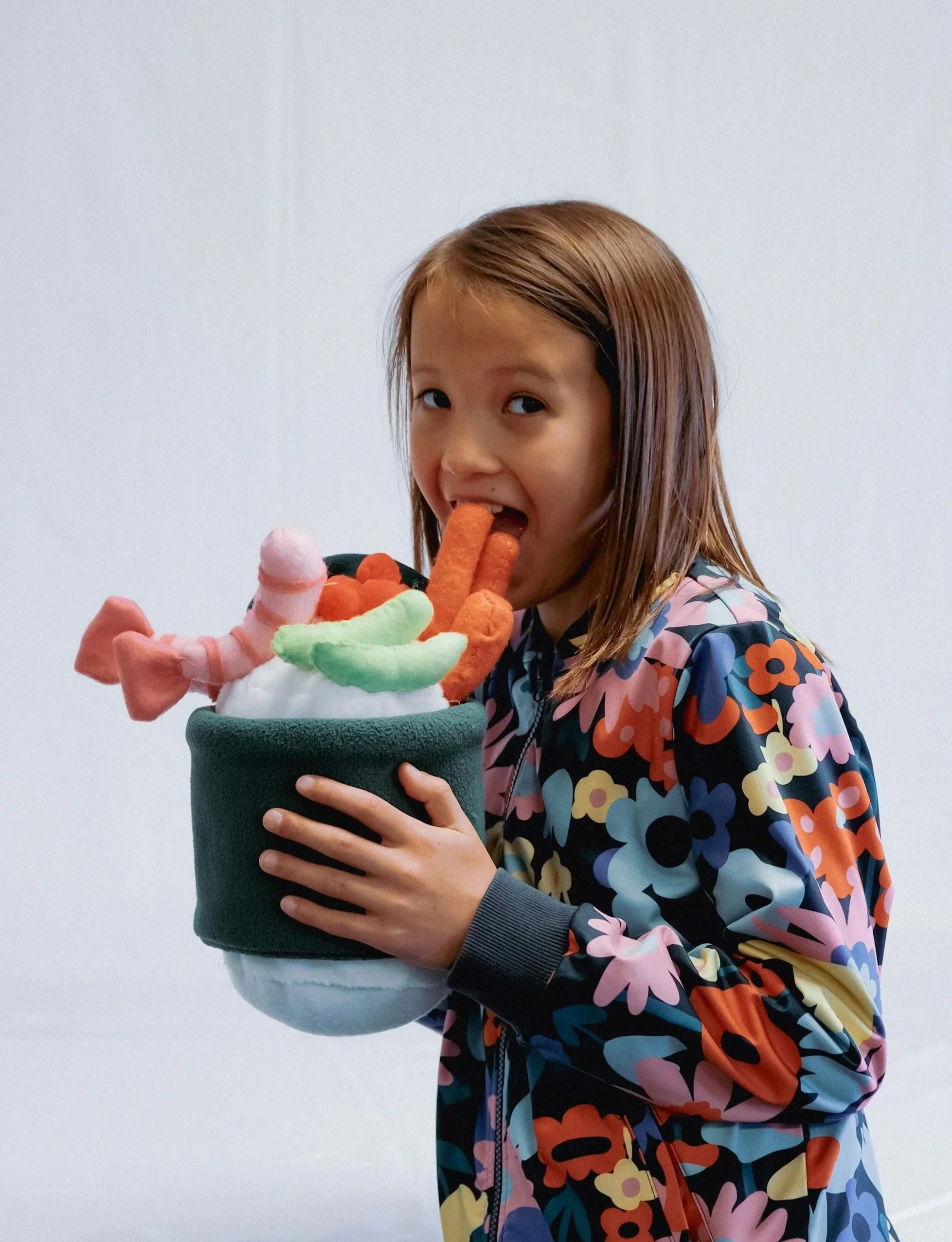
Toy Design I introduces students to the world of soft toy design through hands-on making with fabric. In this studio, budding toy designers learn how to bring an original idea to life—transforming a sketch into a playful plush creation that may be furry, funny, or fantastical.
Working with soft materials, students explore how toys are designed, constructed, and experienced, gaining foundational skills in both creative expression and making.
-
Purpose & types of toys
Explore why toys are designed, the different types of toys that exist, and how play shapes design decisions.
Soft toy construction skills
Learn foundational techniques including adapting simple patterns, cutting, pinning, and hand and machine sewing.
Toy history & evolution
Understand how toys have evolved over time alongside changes in materials, technology, and society.
Culture & tradition in toy design
Examine how cultural traditions and values influence toy forms, characters, and play experiences.
Toy Design II – Wood Toys
Grades 4-8
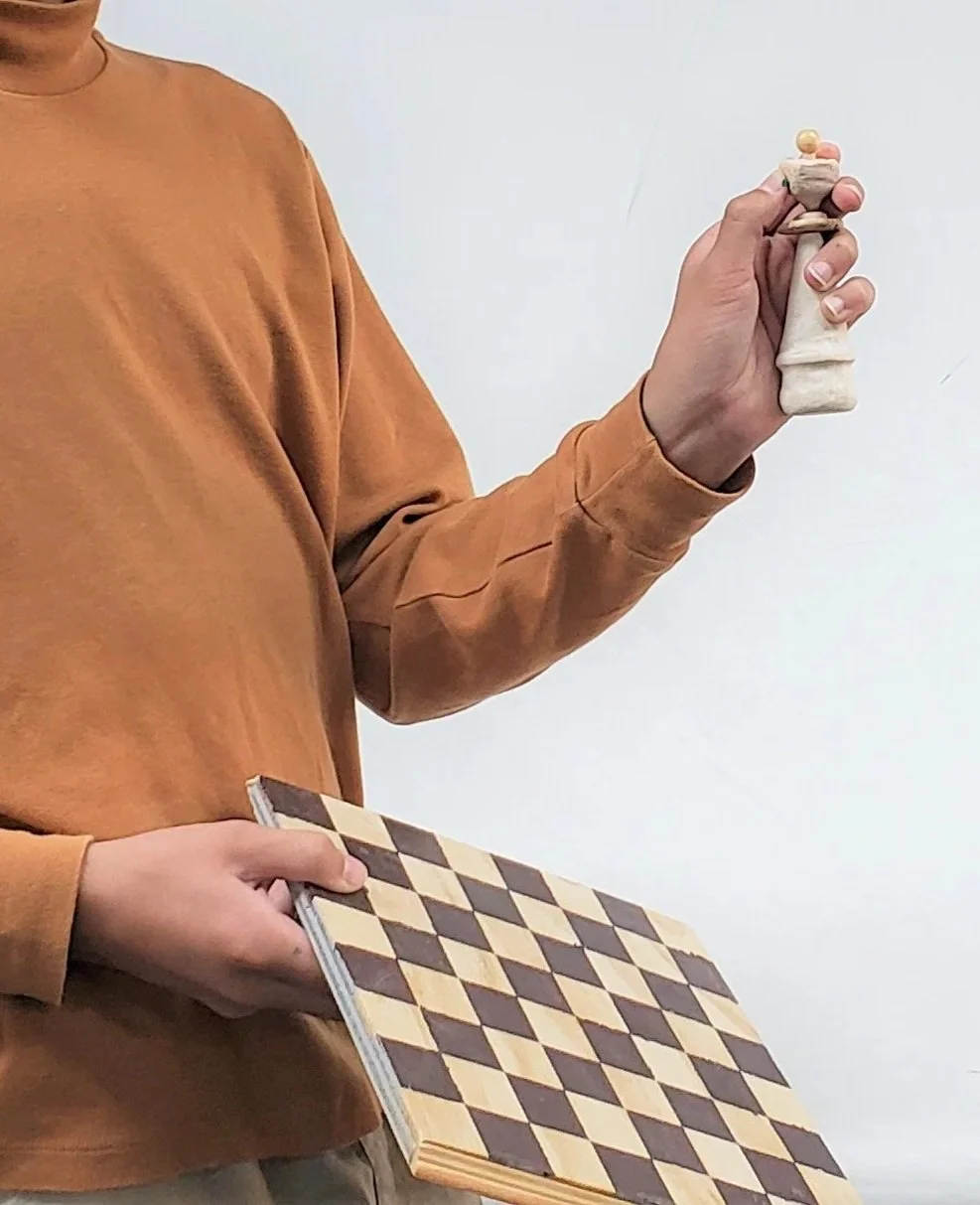
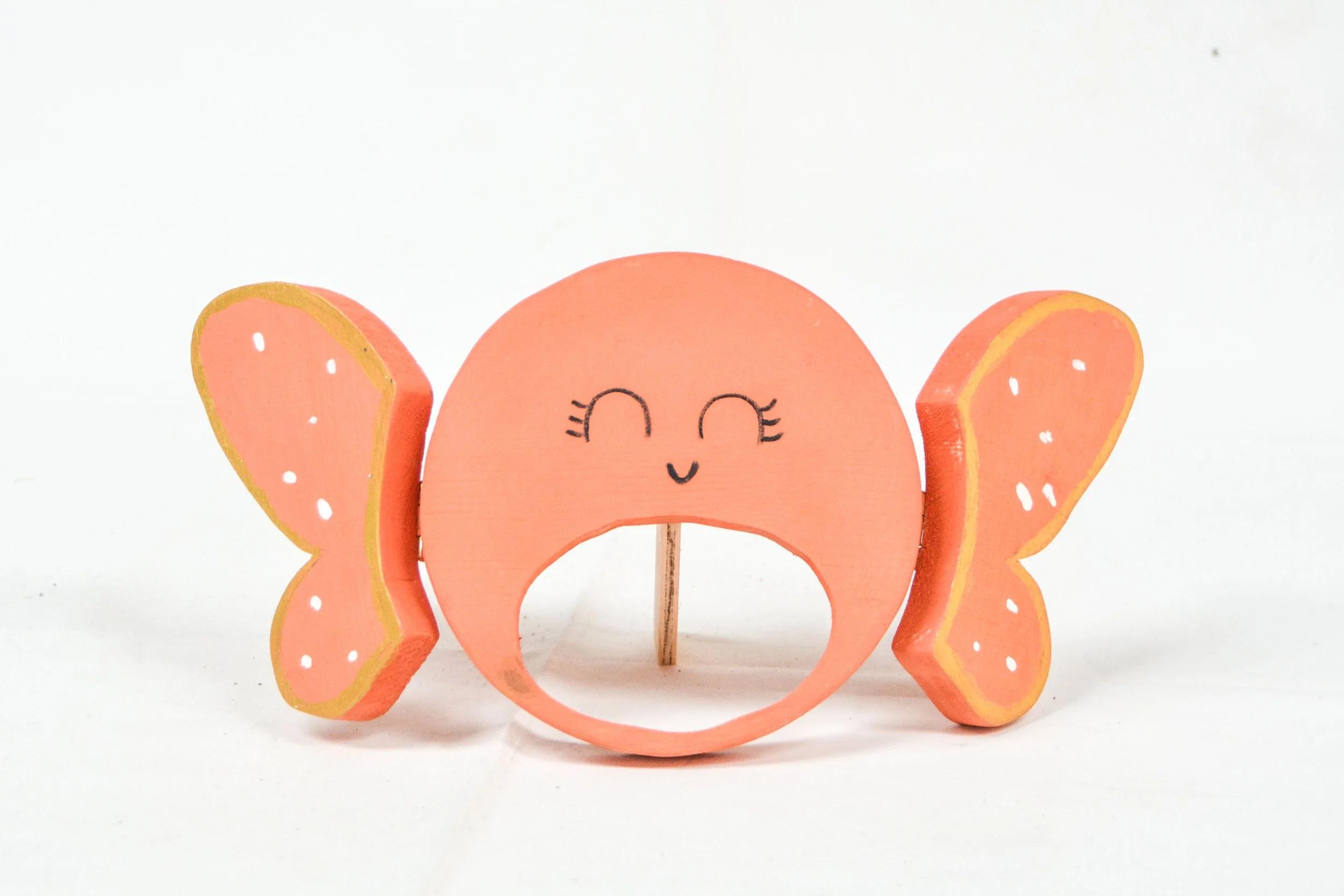
Toy Design II introduces students to toy making through wood, expanding their understanding of materials, structure, and play. In this hands-on studio, students design and build an original wooden toy or game, learning how ideas about play, interaction, and function shape design decisions.
As students work with new tools and materials, they develop spatial reasoning and confidence in making, while gaining insight into how toys are experienced and enjoyed. The session concludes with a Toy Expo, where students proudly present their finished creations.
-
Purpose of play
Explore why toys matter and how play supports creativity, learning, and human development.
3D thinking & planning
Develop skills in geometry, planning, and visualizing ideas in three-dimensional form.
Tool use & craftsmanship
Learn to safely and confidently use basic tools such as hammers, nails, and saws.
Culture & tradition in toys
Understand how cultural traditions and values influence toy forms, games, and play experiences.
Materials & design decisions
Compare how different materials—such as fabric versus wood—impact form, construction, and user experience.