
Beyond activities: how meaningful summer programs support creativity, skill, and growth
For many families, the search begins with good intentions and quickly changes to overwhelm. Summer programs often promise creativity, enrichment, and engagement. Yet beneath similar descriptions and cheerful outcomes, the experiences children actually have can vary widely in depth and lasting value.
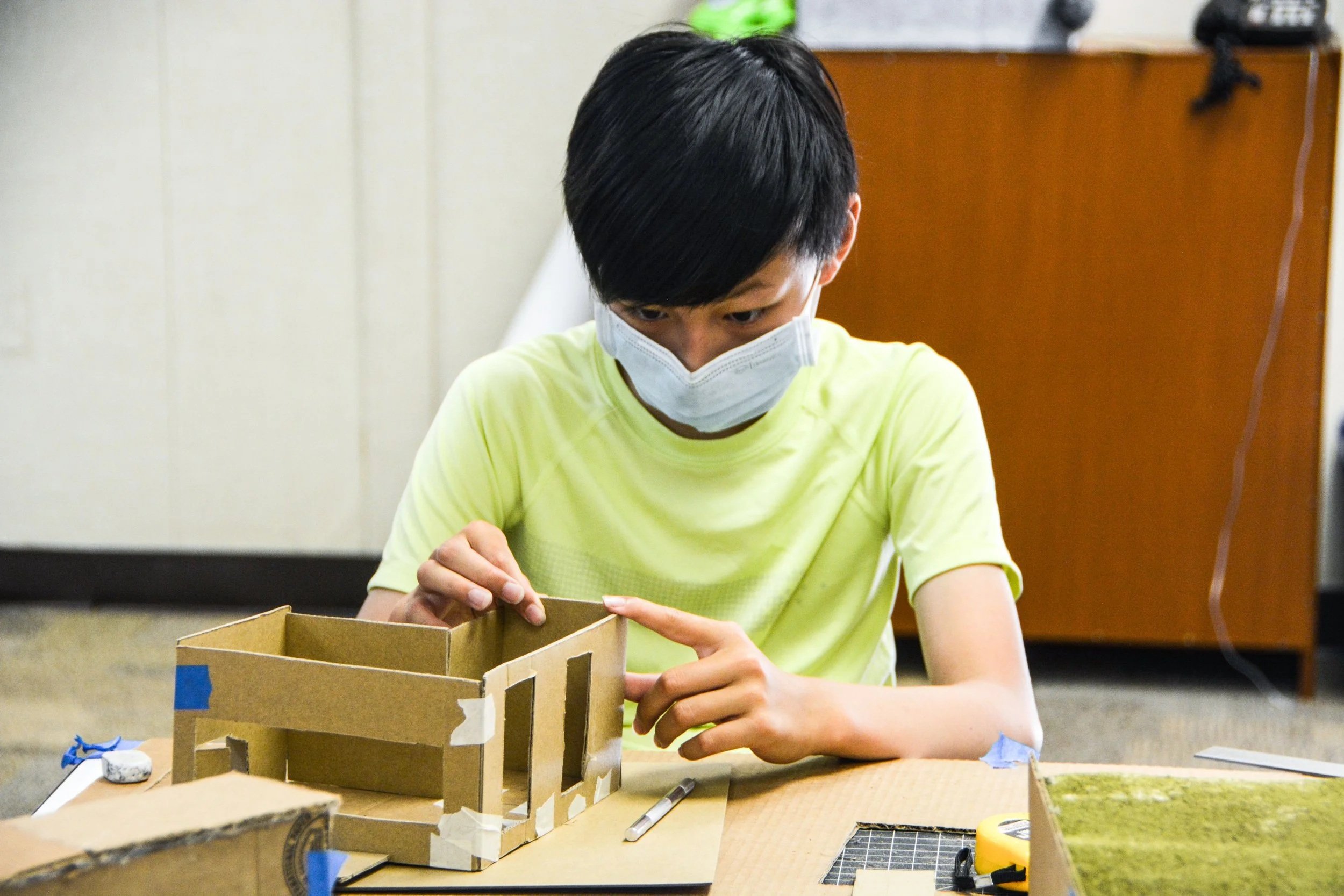
Working with real materials and real constraints in architecture summer studios at DesignX
A meaningful summer program is not defined by how full the schedule looks or how many projects are completed. What matters more is how learning is experienced—whether children are given the time and space to think, explore, and make sense of ideas, or whether they move quickly from one activity to the next.
In programs that truly support creativity and growth, learning tends to slow down. Children are encouraged to stay with an idea long enough for it to evolve. They try things, encounter resistance, make adjustments, and begin to understand that learning is not linear. This process builds patience and confidence in ways that short, outcome-driven activities rarely do.
The role of materials also matters. When children work directly with tools, objects, or forms of expression—whether physical or conceptual—learning becomes tangible. Ideas are tested rather than imagined alone. Mistakes become part of understanding. Children learn that effort, care, and revision are essential parts of creating something meaningful.
Equally important is the way adults guide the experience. High-quality programs offer structure without prescribing outcomes. Educators act as thoughtful guides, asking questions, offering feedback, and encouraging reflection rather than directing each step. This balance allows children to develop independence while still feeling supported.
Perhaps most importantly, meaningful summer programs respect children as capable learners. They create environments where curiosity is taken seriously, individuality is welcomed, and different ways of thinking are valued. In such spaces, children are more willing to take creative risks, persist through challenges, and develop a deeper relationship with learning itself.
Choosing a summer program is ultimately about deciding what kind of learning you want to protect and nurture. When programs value depth over busyness, process over performance, and thoughtful guidance over quick results, children develop more than skills. They learn to think, to persist, and to shape ideas with intention. These are human capacities that continue to matter—no matter how the tools, technologies, or world around them change.